If your TIG welder suddenly stops working, it can be frustrating — especially when you’re in the middle of a project. Whether you’re dealing with no arc, weak output, or gas issues, most TIG welding problems can be fixed quickly once you understand the cause.
In this complete UK troubleshooting guide, we’ll cover the most common TIG welder problems and how to fix them step by step — perfect for beginners and home workshop users.
🔧 Common Reasons Why Your TIG Welder Is Not Working
Before jumping into fixes, it’s important to understand the most common causes:
- No power supply
- Faulty ground connection
- Incorrect settings
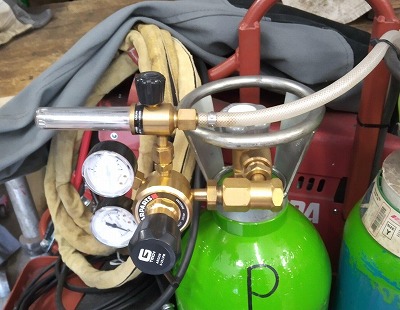
- Gas flow issues
- Worn or contaminated tungsten
- Torch or cable damage
👉 Let’s go through each problem and fix it properly.
⚡ 1. TIG Welder Not Turning On
🔍 Possible Causes:
- Power supply issue
- Blown fuse
- Faulty cable or plug
- Internal fault
🔧 How to Fix It:
- Check your UK 230V socket is working
- Inspect plug and fuse (UK plug fuse may be blown)
- Test power cable for damage
- Reset circuit breaker if needed
👉 If the machine still won’t power on, it may require professional repair.
🔥 2. No Arc / No Spark
🔍 Causes:
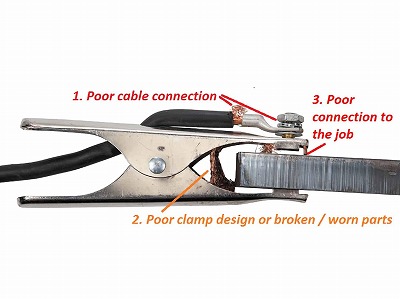
- Poor ground connection
- Faulty torch
- Incorrect settings
- HF start failure
🔧 Fix:
- Attach ground clamp to clean metal
- Check all cable connections
- Ensure correct mode (TIG, not MMA)
- Inspect torch switch and wiring
👉 Poor grounding is the #1 cause of no arc issues.
💨 3. Gas Flow Problems
🔍 Causes:
- Gas not turned on
- Blocked hose or nozzle
- Leaking connections
- Empty argon cylinder
🔧 Fix:
- Check argon cylinder is open
- Inspect regulator and flow meter
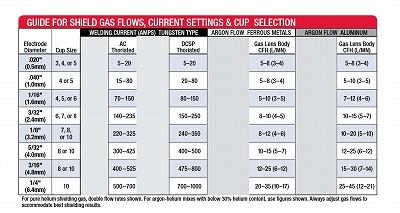
- Set flow rate (typically 6–10 L/min)
- Check for leaks in hoses
👉 Without shielding gas, TIG welding simply won’t work.
⚡ 4. Weak or Unstable Arc
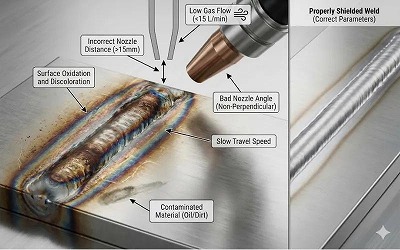
🔍 Causes:
- Low amperage
- Dirty metal
- Contaminated tungsten
- Poor grounding
🔧 Fix:
- Increase amperage gradually
- Clean metal surface thoroughly
- Re-grind or replace tungsten
- Improve ground connection
👉 A clean setup = stable arc.
🔩 5. Tungsten Electrode Problems
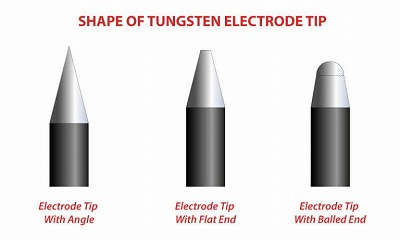
🔍 Causes:
- Contamination (touching weld pool)
- Incorrect sharpening
- Wrong size electrode
🔧 Fix:
- Grind tungsten to a sharp point
- Use correct size for amperage
- Replace if heavily contaminated
👉 Tungsten condition directly affects arc quality.
🔌 6. Torch or Cable Issues
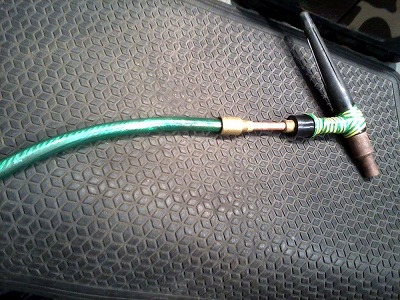
🔍 Causes:
- Broken torch switch
- Damaged cables
- Loose connections
🔧 Fix:
- Inspect torch for wear
- Tighten all connections
- Replace damaged parts
👉 Small cable faults can stop the whole system.
⚙️ 7. Incorrect Machine Settings
🔍 Common Mistakes:
- Wrong welding mode
- Incorrect polarity
- Amperage too low/high
🔧 Fix:
- Set machine to TIG mode
- Use correct polarity (usually DCEN)
- Adjust amperage based on material
👉 Settings matter more than most beginners think.
❌ Quick Troubleshooting Checklist
Before assuming your welder is broken:
✔ Check power supply
✔ Check ground clamp
✔ Confirm gas flow
✔ Inspect tungsten
✔ Verify settings
✔ Test on clean metal
👉 Most problems are simple setup issues.
🧠 Pro Tips for UK Users
- Always use clean, dry argon gas
- Store tungsten properly
- Use inverter welders for better stability
- Keep your workspace dry (important in UK climate)
- Perform regular maintenance
🛡️ Safety Tips
- Turn off machine before inspecting
- Avoid touching live parts
- Ensure ventilation when welding
- Use proper PPE (helmet, gloves)
❓ FAQs
Why is my TIG welder not producing an arc?
Usually due to poor grounding, wrong settings, or faulty torch.
Can a bad tungsten stop welding?
Yes — contaminated tungsten can prevent arc formation.
Why is my weld porous?
Likely due to gas issues or contamination.
Should I repair or replace my TIG welder?
If basic fixes don’t work, consider professional repair or replacement.
Final Thoughts
If your TIG welder is not working, don’t panic — most issues are easy to fix with the right approach.
👉 Start with the basics:
- Power
- Ground
- Gas
- Settings
In most cases, the problem isn’t the machine — it’s the setup.
With proper troubleshooting, you can quickly get back to welding and avoid unnecessary costs.


Leave a Reply