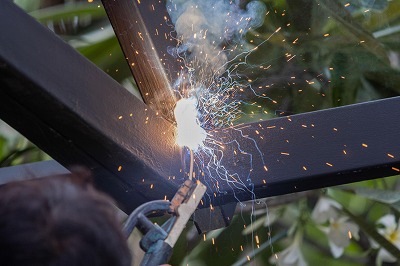
Overhead stick welding (MMA) is one of the most challenging welding positions. Unlike flat or vertical welding, gravity pulls molten metal downward — directly toward you — making control, safety, and technique critical.
In this guide, you’ll learn how to stick weld overhead step by step, including the best settings, techniques, and safety tips for beginners in the UK.
Contents
🔧 What Is Overhead Stick Welding?
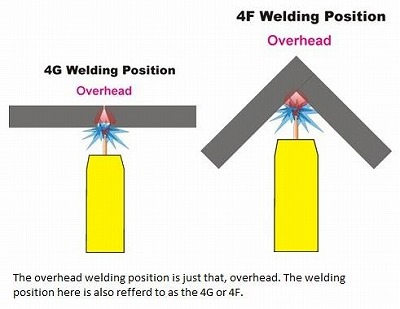
Overhead welding means welding from underneath the workpiece, where the weld is above your head.
👉 It is commonly used in:
- Structural steel work
- Pipe welding
- Repair jobs in tight or fixed positions
⚠️ Why Overhead Welding Is Difficult
- Gravity causes molten metal to drip or fall
- Harder to maintain a stable weld pool
- Increased risk of burns and spatter
- Requires precise control of heat and movement
👉 This is why overhead welding is usually learned after flat and vertical welding.
🧰 Equipment & Setup
Recommended tools:
- Stick welder (MMA inverter)
- Electrodes: E6013 (beginner) or E7018 (advanced)
- Chipping hammer & wire brush
- Clamps (if possible)
Essential PPE (UK standards):
- EN379 welding helmet
- Flame-resistant clothing
- Leather gloves and boots
👉 Full protection is critical due to falling sparks.
⚙️ Step-by-Step: How to Stick Weld Overhead
1. Reduce Your Amperage
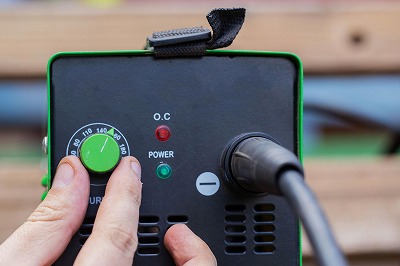
- Reduce current by 10–20% compared to flat welding
- Helps control the weld pool and prevent dripping
2. Use Small Electrodes
- Use 2.0mm – 2.5mm electrodes
- Smaller rods = better control, less heat
👉 Ideal for overhead work.
3. Maintain a Very Short Arc
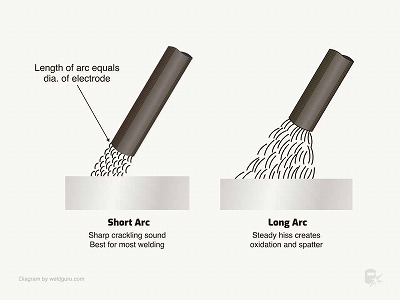
- Keep arc length very tight (1–2mm)
- Prevents spatter and falling metal
👉 A long arc will make the weld uncontrollable.
4. Use a Stringer Bead Technique
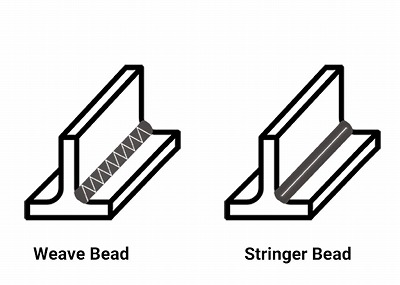
- Avoid weaving (too much molten metal)
- Use straight, narrow passes (stringer beads)
👉 This keeps the weld pool small and manageable.
5. Control Your Travel Speed
- Move steadily and slightly faster than flat welding
- Don’t stay in one spot too long
👉 Prevents overheating and dripping.
6. Keep the Correct Angle
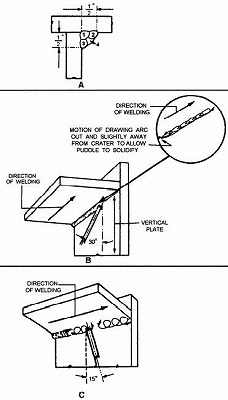
- Hold electrode at 5–15° angle
- Slight push angle works best
7. Weld in Short Sections
- Use short weld runs
- Stop and allow cooling if needed
👉 Helps maintain control and reduces fatigue.
❌ Common Mistakes (And Fixes)
❌ Molten metal dripping
✔ Reduce amperage
✔ Use smaller electrode
✔ Move faster
❌ Excessive spatter
✔ Maintain short arc
✔ Adjust current
❌ Poor weld shape
✔ Use stringer beads
✔ Keep steady movement
❌ Burn-through
✔ Lower heat input
✔ Avoid staying in one spot
🧠 Pro Tips for Better Results
- Practise on scrap metal before real jobs
- Keep your head out of the direct weld path
- Use dry electrodes (especially E7018)
- Take breaks — overhead welding is physically demanding
- Focus on control, not speed
🛡️ Safety Tips (UK Users)
- Always wear full PPE (helmet, gloves, flame-resistant clothing)
- Protect your neck and ears from falling sparks
- Ensure proper ventilation
- Keep workspace clear of flammable materials
❓ FAQs
Is overhead welding the hardest position?
Yes — it is considered the most difficult due to gravity and safety risks.
What rods are best for overhead welding?
- E6013 → easier for beginners
- E7018 → stronger welds but more control required
Should I weave when welding overhead?
No — use stringer beads to maintain control.
🏁 Final Thoughts
Overhead stick welding is a challenging but essential skill for real-world welding jobs in the UK. By using lower amperage, smaller electrodes, and controlled techniques, you can produce strong, clean welds safely.
Take your time, practise regularly, and prioritise safety at all times.

Leave a Reply