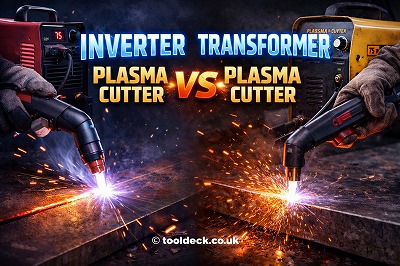
When choosing a plasma cutter in the UK, one of the most important decisions is whether to go for an inverter plasma cutter or a transformer plasma cutter.
While both types perform the same basic function—cutting metal using a plasma arc—they differ significantly in terms of technology, efficiency, portability, performance, and cost.
So, which one is right for your workshop or project?
In this complete UK guide to inverter vs transformer plasma cutter, we’ll cover:
- How each type works
- Key differences
- Pros and cons
- Real-world performance
- Which one you should choose
Contents
- ⚠️ Why This Choice Matters
- 🔍 What Is an Inverter Plasma Cutter?
- ⚙️ Inverter vs Transformer Plasma Cutter – Key Differences
- 🔹 1. Core Technology (How Each Machine Works)
- 🔹 2. Size, Weight & Portability
- 🔹 3. Energy Efficiency
- 🔹 4. Arc Stability & Cutting Performance
- 🔹 5. Cutting Precision
- 🔹 6. Durability & Reliability
- 🔹 7. Maintenance & Repairs
- 🔹 8. Noise & Heat Output
- 🔹 9. Cost (Short-Term vs Long-Term)
- 🔹 10. Real-World Applications
- Summary of Key Differences
⚠️ Why This Choice Matters
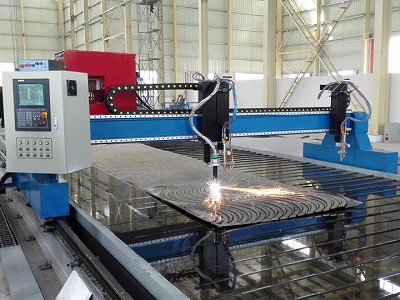
Choosing the wrong type of plasma cutter can lead to:
- Poor performance for your needs
- Higher energy costs
- Reduced portability
- Unnecessary expense
👉 Understanding the difference between an inverter vs transformer plasma cutter helps you make a smarter investment.
🔍 What Is an Inverter Plasma Cutter?
An inverter plasma cutter uses modern electronic circuitry to convert electrical power efficiently and control the plasma arc.
⚙️ How It Works:
- Converts AC power to high-frequency DC
- Uses electronic components for precise control
- Produces stable and efficient plasma arc
🔧 Key Features:
- Lightweight and compact
- Energy-efficient
- Stable arc performance
👉 This is the modern standard in the UK market.
✅ Advantages of Inverter Plasma Cutters
- Lightweight and portable
- Energy efficient
- Smooth, stable arc
- Better cutting precision
- Suitable for home and professional use
❌ Disadvantages of Inverter Plasma Cutters
- More sensitive to dust and moisture
- Slightly higher upfront cost than basic units
- Requires proper maintenance
🔍 What Is a Transformer Plasma Cutter?
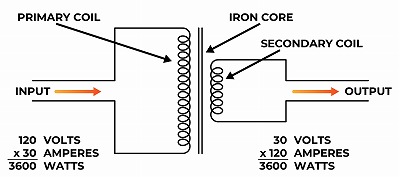
A transformer plasma cutter uses traditional transformer technology to step down voltage and generate the cutting arc.
⚙️ How It Works:
- Uses heavy copper coils
- Converts voltage using electromagnetic induction
- Produces plasma arc with less electronic control
🔧 Key Features:
- Large and heavy
- Simple internal design
- Extremely durable
👉 This is the older, industrial-style technology.
✅ Advantages of Transformer Plasma Cutters
- Very robust and durable
- Handles harsh environments well
- Long lifespan
- Reliable in heavy-duty applications
❌ Disadvantages of Transformer Plasma Cutters
- Heavy and bulky
- Less energy efficient
- Less precise arc control
- Limited portability
⚙️ Inverter vs Transformer Plasma Cutter – Key Differences
🔹 1. Core Technology (How Each Machine Works)
⚡ Inverter Plasma Cutter:
- Uses advanced electronic components (IGBT/MOSFET)
- Converts AC power into high-frequency DC
- Precisely controls the plasma arc
🔧 Transformer Plasma Cutter:
- Uses traditional copper coil transformers
- Relies on electromagnetic induction
- Produces a less refined output
👉 Key Difference:
Inverter = modern electronic control
Transformer = mechanical electrical conversion
🔹 2. Size, Weight & Portability
Inverter:
- Compact and lightweight
- Easy to carry and transport
- Ideal for mobile jobs and home use
Transformer:
- Large and heavy
- Difficult to move
- Usually fixed in one location
👉 Verdict: Inverter machines are far superior for portability.
🔹 3. Energy Efficiency
Inverter:
- High efficiency (less power loss)
- Lower electricity consumption
- More cost-effective long-term
Transformer:
- Lower efficiency
- Higher energy consumption
- Generates more heat
👉 Verdict: Inverter plasma cutters are significantly more energy-efficient.
🔹 4. Arc Stability & Cutting Performance
Inverter:
- Smooth and stable plasma arc
- Better control over cutting
- Produces cleaner edges
Transformer:
- Less stable arc
- More fluctuation
- Rougher cuts
👉 Verdict: Inverter machines deliver better cutting quality.
🔹 5. Cutting Precision
Inverter:
- High precision
- Suitable for detailed work
- Narrow kerf (cut width)
Transformer:
- Lower precision
- Wider cuts
- Less suitable for fine work
👉 Verdict: Inverter wins for precision and accuracy.
🔹 6. Durability & Reliability
Inverter:
- Sensitive to:
- Dust
- Moisture
- Voltage fluctuations
- Requires proper care
Transformer:
- Extremely durable
- Works well in harsh environments
- Less sensitive to conditions
👉 Verdict: Transformer machines are more rugged and durable.
🔹 7. Maintenance & Repairs
Inverter:
- Complex internal components
- Repairs may require specialists
Transformer:
- Simple design
- Easier and cheaper to repair
👉 Verdict: Transformer is easier to maintain, but inverter requires less frequent servicing if well maintained.
🔹 8. Noise & Heat Output
Inverter:
- Quieter operation
- Produces less heat
Transformer:
- Noisier
- Generates more heat due to inefficiency
👉 Verdict: Inverter machines offer a more comfortable working environment.
🔹 9. Cost (Short-Term vs Long-Term)
Inverter:
- Higher upfront cost
- Lower running costs
Transformer:
- Lower initial cost (older models)
- Higher energy bills over time
👉 Verdict: Inverter is more cost-effective long-term.
🔹 10. Real-World Applications
Inverter:
- Home workshops
- Automotive work
- DIY and professional use
- Mobile jobs
Transformer:
- Heavy industrial environments
- Continuous heavy-duty cutting
- Workshops with fixed setups
👉 Verdict: Inverter is more versatile for modern users.
Summary of Key Differences
| Category | Inverter Plasma Cutter | Transformer Plasma Cutter |
|---|---|---|
| Technology | Advanced electronics | Traditional coils |
| Weight | Light & portable | Heavy & bulky |
| Efficiency | High | Low |
| Precision | High | Moderate |
| Durability | Moderate | Very high |
| Maintenance | Complex | Simple |
👉 In simple terms:
- Inverter = modern, efficient, portable, precise
- Transformer = heavy-duty, durable, traditional
🛠️ Performance Comparison
🔹 Cutting Precision
- Inverter → cleaner cuts
- Transformer → rougher cuts
🔹 Power Output
- Transformer → strong, consistent power
- Inverter → efficient and controlled power
🧠 Real-World Use Cases
🔹 Inverter Plasma Cutter Is Best For:
- DIY users
- Home workshops
- Automotive work
- Portable jobs
🔹 Transformer Plasma Cutter Is Best For:
- Industrial environments
- Heavy-duty cutting
- Harsh working conditions
💷 Cost Comparison
Inverter:
- Moderate upfront cost
- Lower electricity usage
Transformer:
- Lower initial cost (older models)
- Higher energy consumption
👉 Inverter is more cost-effective long-term.
🔄 Which One Should You Choose?
👉 Choose Inverter If:
- You want portability
- You need precision
- You are a beginner or DIY user
- You work in a home workshop
👉 Choose Transformer If:
- You need extreme durability
- You work in heavy industry
- Portability is not important
🧠 Pro Tips for Buyers
- Most UK users should choose inverter models
- Look for reliable brands with warranty
- Ensure proper ventilation and maintenance
- Match machine power to your cutting needs
❌ Common Mistakes to Avoid
❌ Buying transformer for home use
✔ Too bulky and inefficient
❌ Choosing cheapest inverter
✔ Quality matters
❌ Ignoring power requirements
✔ Check UK voltage compatibility
🛡️ Safety Considerations
Both types require:
- Eye protection
- Gloves
- Ventilation
👉 Inverter machines often include better safety features.
❓ FAQs
Which is better: inverter or transformer plasma cutter?
Inverter is better for most users.
Are transformer plasma cutters outdated?
Yes, mostly replaced by inverter technology.
Which is more energy efficient?
Inverter plasma cutters.
Which is better for beginners?
Inverter models.
Final Thoughts
When comparing an inverter vs transformer plasma cutter, inverter technology clearly offers better efficiency, portability, and precision. For most UK users, inverter plasma cutters are the smarter and more practical choice.



Leave a Reply