A stable arc is essential for clean, precise TIG welds. If your arc is flickering, wandering, or cutting out, it can ruin your weld quality and make the process frustrating — especially for beginners.
The good news? Most TIG arc stability problems are caused by simple setup issues and can be fixed quickly.
In this guide, we’ll break down the main causes of an unstable TIG arc and show you exactly how to fix them.
🔧 What Does an Unstable TIG Arc Look Like?
Before fixing the problem, it helps to recognise the symptoms:
- Arc flickers or cuts out
- Arc wanders or moves unpredictably
- Inconsistent weld pool
- Excessive spatter (rare in TIG but possible)
- Difficulty maintaining arc
👉 If you notice these signs, your arc is not stable.
⚡ 1. Contaminated or Poorly Prepared Tungsten
🔍 Cause:
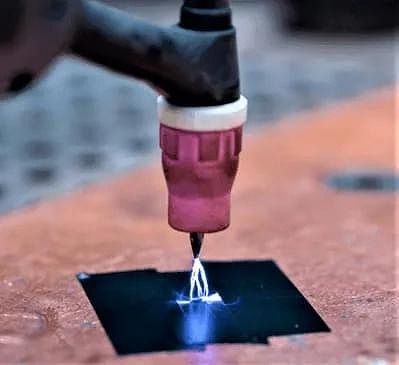
The tungsten electrode is the heart of TIG welding. If it’s contaminated or incorrectly prepared, your arc will become unstable.
Common issues:
- Tungsten touched the weld pool
- Blunt or uneven tip
- Incorrect grinding direction
🔧 Fix:
- Re-grind tungsten to a sharp point
- Grind lengthwise (not circular)
- Replace heavily contaminated electrodes
👉 A clean, sharp tungsten = stable arc.
💨 2. Shielding Gas Problems
🔍 Cause:
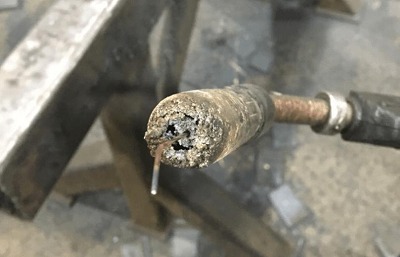
Shielding gas protects the weld pool. Without proper gas flow, the arc becomes unstable.
Common problems:
- Low gas flow
- Gas leaks
- Blocked nozzle
- Drafts or wind
🔧 Fix:
- Set gas flow to 6–10 L/min
- Check hoses and connections for leaks
- Clean nozzle and torch
- Avoid welding in windy areas
👉 Gas flow issues are one of the most common causes.
⚡ 3. Incorrect Amperage Settings
🔍 Cause:
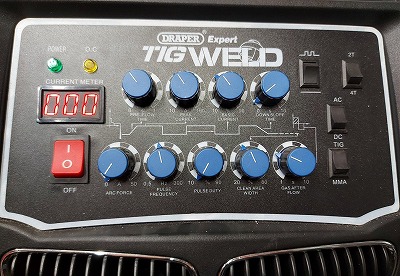
Wrong current settings affect arc stability.
- Too low → arc cuts out
- Too high → arc becomes aggressive
🔧 Fix:
- Increase amperage if arc is weak
- Reduce amperage if arc is erratic
- Match amperage to material thickness
👉 Adjust in small steps for best results.
🔌 4. Poor Ground Connection
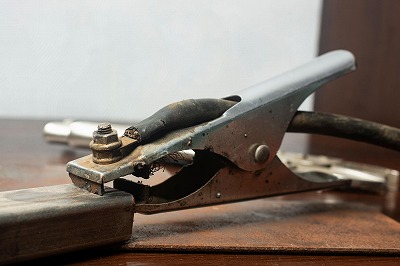
🔍 Cause:
A weak or inconsistent ground connection interrupts current flow.
🔧 Fix:
- Attach clamp to clean metal
- Remove rust, paint, or oil
- Ensure tight connection
👉 Poor grounding = unstable arc every time.
🔩 5. Dirty or Contaminated Metal
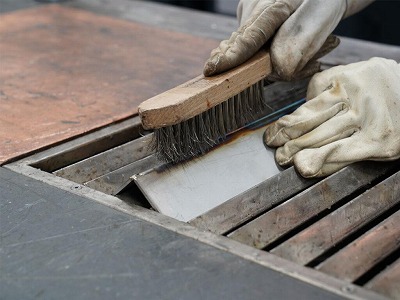
🔍 Cause:
Contaminants like oil, rust, or paint interfere with the arc.
🔧 Fix:
- Clean metal with grinder or wire brush
- Use acetone for oil removal
- Always prep your material
👉 Clean metal = stable arc + better welds.
🔥 6. Incorrect Arc Length
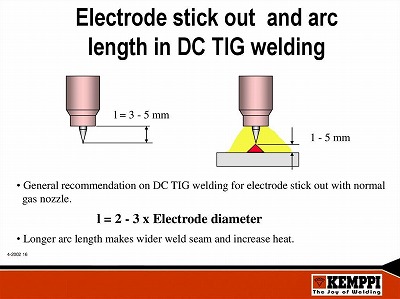
🔍 Cause:
Arc length (distance between tungsten and metal) affects stability.
- Too long → unstable arc
- Too short → contamination risk
🔧 Fix:
- Maintain arc length around 2–3mm
- Keep a steady hand
- Practise torch control
👉 Consistency is key.
🔌 7. Torch or Equipment Issues
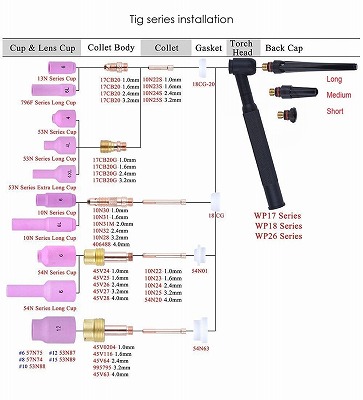
🔍 Cause:
Faulty equipment can disrupt current flow.
🔧 Fix:
- Check cables and connectors
- Replace damaged torch parts
- Tighten all connections
👉 Even small faults can affect arc stability.
⚙️ 8. Wrong Polarity or Settings
🔍 Cause:
Incorrect machine setup can destabilise the arc.
🔧 Fix:
- Use DCEN (Direct Current Electrode Negative) for TIG
- Ensure correct mode (TIG, not MMA)
- Double-check settings
👉 Wrong polarity = poor performance.
❌ Quick Fix Checklist
If your TIG arc is unstable, check this:
✔ Tungsten condition
✔ Gas flow
✔ Amperage
✔ Ground clamp
✔ Metal cleanliness
✔ Arc length
✔ Machine settings
👉 90% of issues come from these factors.
🧠 Pro Tips for UK Welders
- Always use high-quality argon gas
- Practise torch control regularly
- Use HF start for easier arc ignition
- Keep equipment clean and maintained
- Avoid welding in damp UK conditions
🛡️ Safety Tips
- Wear EN379-approved helmet
- Ensure proper ventilation
- Avoid gas leaks
- Turn off machine before adjustments
❓ FAQs
Why does my TIG arc keep flickering?
Usually due to gas issues, poor grounding, or contaminated tungsten.
Can gas flow affect arc stability?
Yes — improper gas flow is a major cause.
What is the ideal arc length?
Around 2–3mm for most TIG welding.
Is unstable arc a machine problem?
Rarely — it’s usually setup or technique.
Final Thoughts
A stable TIG arc is the foundation of high-quality welding. If your arc is unstable, the issue is almost always related to setup, technique, or maintenance.
👉 Focus on:
- Clean tungsten
- Proper gas flow
- Correct settings
- Good grounding
Fix these, and your TIG welding will improve instantly.


Leave a Reply