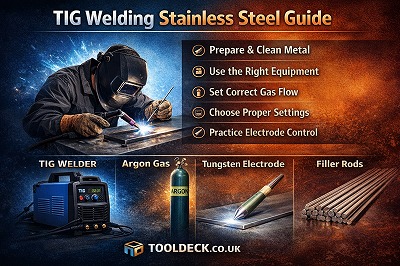
TIG welding stainless steel is one of the most popular applications in the UK — from automotive fabrication and exhaust systems to kitchen equipment and precision engineering.
Stainless steel produces clean, corrosion-resistant, and aesthetically pleasing welds, but it also requires proper technique and settings. Without the right approach, you may face issues like discolouration, warping, or contamination.
In this complete guide, you’ll learn everything you need to know about TIG welding stainless steel — from setup to advanced tips.
🔧 Why TIG Welding Is Ideal for Stainless Steel
TIG welding is the preferred method for stainless steel because:
- Produces clean, precise welds
- No slag or spatter
- Excellent control for thin materials
- Maintains corrosion resistance
👉 This is why TIG is widely used for high-quality stainless work in the UK.
⚙️ TIG Welding Setup for Stainless Steel
🔥 Current Type
- Use DC TIG (Direct Current Electrode Negative – DCEN)
👉 This provides stable arc and deep penetration.
💨 Shielding Gas
- Use 100% argon
- Flow rate: 6–10 L/min
🔩 Tungsten Electrode
- Size: 1.6mm – 2.4mm
- Type: Lanthanated or thoriated
- Shape: Sharp point
🧪 Filler Rod
- Match filler to base metal (e.g. 308L, 316L)
👉 Correct setup ensures consistent results.
📊 TIG Welding Settings Chart (Stainless Steel)
| Thickness | Amperage | Tungsten | Gas Flow |
|---|---|---|---|
| 1mm | 30–50A | 1.6mm | 6–8 L/min |
| 2mm | 50–80A | 1.6–2.0mm | 6–8 L/min |
| 3mm | 80–110A | 2.4mm | 7–9 L/min |
| 4mm | 100–130A | 2.4mm | 7–10 L/min |
| 5mm | 120–150A | 2.4mm | 8–10 L/min |
👉 These settings are ideal for most UK workshop applications.
🧠 Step-by-Step: How to TIG Weld Stainless Steel
🔹 Step 1: Clean the Material

- Remove oil, grease, and dirt
- Use acetone or alcohol
- Use dedicated stainless brush
👉 Cleanliness is critical for stainless steel.
🔹 Step 2: Set Up Your Machine
- DC TIG mode
- Set amperage based on thickness
- Adjust gas flow
🔹 Step 3: Start the Arc
- Use HF start if available
- Maintain short arc length (2–3mm)
🔹 Step 4: Control the Heat
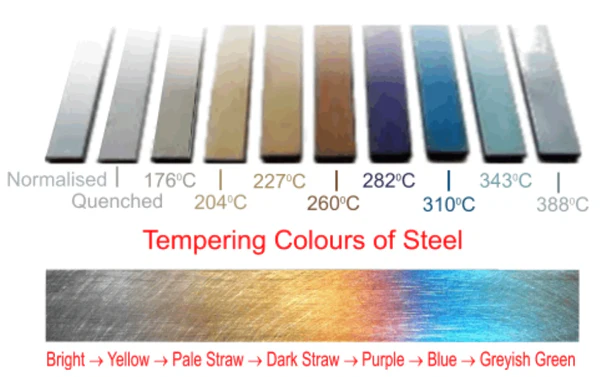
- Stainless steel is sensitive to heat
- Avoid overheating
👉 Heat control is the most important skill.
🔹 Step 5: Add Filler Rod
- Dip consistently
- Avoid contamination
🔹 Step 6: Maintain Travel Speed
- Keep steady movement
- Avoid stopping too long
👉 Consistency = professional welds.
⚠️ Common Problems & Fixes
❌ 1. Discolouration (Heat Tint)
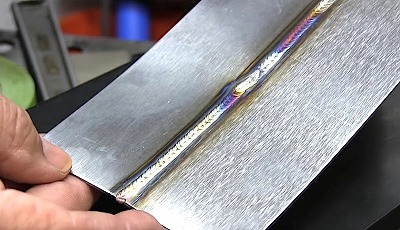
Cause:
- Too much heat
- Poor gas coverage
Fix:
- Reduce amperage
- Increase gas flow
- Use back purging for pipes
❌ 2. Warping
Cause:
Excess heat input
Fix:
- Use lower amperage
- Weld in short sections
❌ 3. Contamination
Cause:
Dirty material or poor gas
Fix:
- Clean thoroughly
- Check gas flow
❌ 4. Poor Penetration
Cause:
Low amperage
Fix:
- Increase heat
- Adjust technique
⚖️ Stainless Steel vs Mild Steel TIG Welding
| Feature | Stainless Steel | Mild Steel |
|---|---|---|
| Heat Sensitivity | High | Moderate |
| Cleaning | Critical | Important |
| Appearance | Very important | Less critical |
| Difficulty | Moderate | Easier |
👉 Stainless requires more precision and care.
🧠 Advanced Tips for Better Stainless TIG Welds
🔹 Use Back Purging
- Protects backside from oxidation
- Essential for pipes and food-grade work
🔹 Minimise Heat Input
- Use pulse TIG if available
- Move quickly
🔹 Maintain Short Arc
- Improves control and quality
🔹 Use Proper Filler
- Prevents cracking and corrosion
🔹 Practise Consistency
- Focus on rhythm and timing
🧰 Pro Tips for Welders
- Always work indoors to avoid wind
- Store stainless materials clean and dry
- Use high-quality argon gas
- Avoid cross-contamination with steel tools
- Practise on scrap before real projects
🛡️ Safety Tips
- Wear EN379-approved helmet
- Ensure ventilation (especially indoors)
- Handle hot metal carefully
- Avoid gas leaks
❓ FAQs
What current is used for stainless steel TIG welding?
DC TIG (DCEN).
Why does stainless steel turn blue when welding?
Due to overheating and oxidation.
Do I need filler rod for stainless TIG welding?
Not always — depends on joint type.
What gas is used?
100% argon.
Final Thoughts
TIG welding stainless steel is a valuable skill that produces strong, clean, and visually appealing welds.
👉 Focus on:
- Clean material
- Low, controlled heat
- Proper gas coverage
- Consistent technique
Master these fundamentals, and you’ll achieve professional-quality stainless welds every time.




Leave a Reply