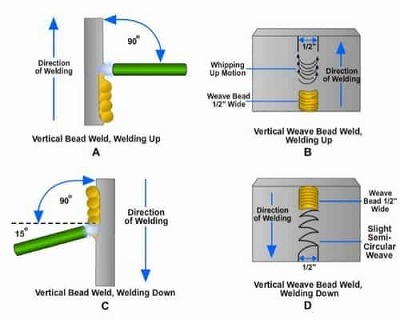
Vertical stick welding (MMA) is one of the most important — and challenging — skills to learn. Unlike flat welding, gravity works against you, making it harder to control the molten metal and maintain a clean weld.
In this guide, you’ll learn how to stick weld vertical step by step, including the best techniques, settings, and pro tips for beginners in the UK.
🔧 What Is Vertical Stick Welding?
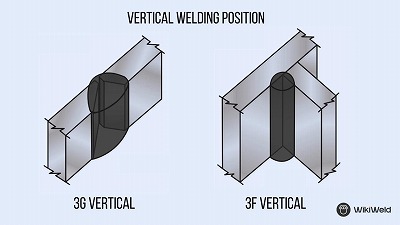
Vertical welding means welding on a vertical surface, where the weld progresses either:
- Upwards (Vertical Up)
- Downwards (Vertical Down)
👉 Most structural welding uses vertical up because it provides stronger penetration.
⚙️ Vertical Up vs Vertical Down
| Method | Best For | Difficulty | Strength |
|---|---|---|---|
| Vertical Up | Thick steel | Harder | Stronger |
| Vertical Down | Thin metal | Easier | Weaker |
👉 For UK fabrication and structural work, vertical up is the standard.
🧰 Equipment & Setup
Recommended:
- Stick welder (MMA inverter)
- Electrodes: E6013 (beginner) or E7018 (strong welds)
- PPE (EN379 helmet, gloves, protective clothing)
Settings:
- Use slightly lower amperage than flat welding
👉 Helps control the weld pool and prevent sagging
⚙️ Step-by-Step: How to Stick Weld Vertical Up
1. Set Lower Amperage
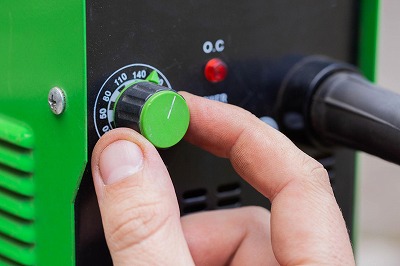
- Reduce current by about 10–15% compared to flat welding
- Prevents molten metal from dripping
2. Start from the Bottom
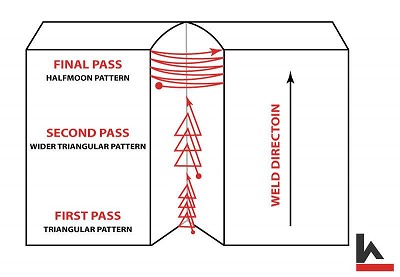
- Begin at the bottom of the joint
- Move upwards slowly
👉 This supports the weld pool as it builds.
3. Maintain a Short Arc Length
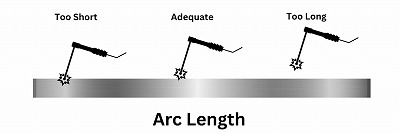
- Keep the arc tight (1–2mm)
- Avoid long arcs → causes spatter and weak welds
4. Use a Weaving Motion
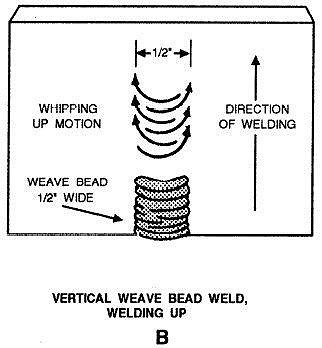
Common patterns:
- Small zig-zag
- Triangle weave
- Side-to-side motion
👉 Pause slightly at the edges to build strength.
5. Control Your Travel Speed
- Move slowly enough for penetration
- But not too slow (to avoid sagging)
👉 Watch the weld pool — it should stay controlled and not drip.
6. Keep the Correct Angle
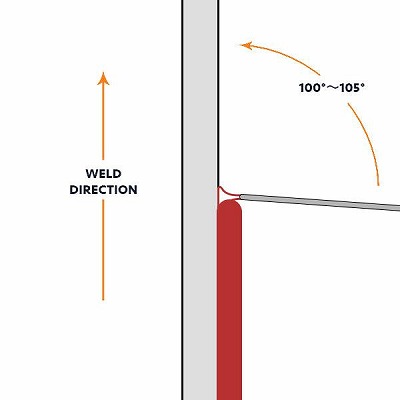
- Hold electrode at 10–15° upward angle
- Push slightly upward as you weld
7. Clean Slag Between Passes
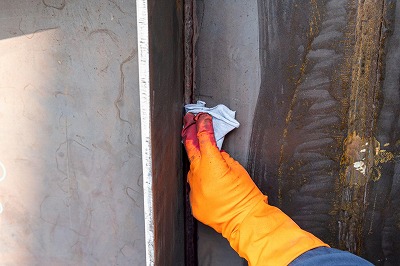
- Chip and brush slag after each pass
- Essential for multi-pass welds
❌ Common Mistakes (And Fixes)
❌ Weld sagging or dripping
✔ Reduce amperage
✔ Move faster
❌ Lack of penetration
✔ Slow down slightly
✔ Improve weave technique
❌ Excessive spatter
✔ Shorten arc length
✔ Adjust current
❌ Uneven weld bead
✔ Maintain consistent motion
✔ Practise steady hand control
🧠 Pro Tips for Beginners
- Start with E6013 electrodes (easier control)
- Practise on scrap vertical plates
- Focus on weld pool, not the arc
- Use smaller electrodes (2.0mm–2.5mm)
- Take breaks to avoid overheating
🛡️ Safety Tips (UK Users)
- Wear full PPE (EN379 helmet, gloves, protective clothing)
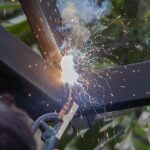
- Be aware of falling sparks (vertical welding hazard)
- Ensure proper ventilation
- Keep workspace dry and safe
❓ FAQs
Is vertical welding harder than flat welding?
Yes — gravity makes it more difficult to control the weld pool.
Should I weld vertical up or down?
- Vertical up → stronger welds
- Vertical down → easier but weaker
What rods are best for vertical welding?
- E6013 → beginner-friendly
- E7018 → stronger structural welds
🏁 Final Thoughts
Learning how to stick weld vertical is a key step in becoming a skilled welder. While it’s more challenging than flat welding, mastering vertical techniques will significantly improve your ability to handle real-world welding jobs in the UK.
With practice, правиль settings, and controlled movement, you can achieve strong, clean vertical welds.


Leave a Reply