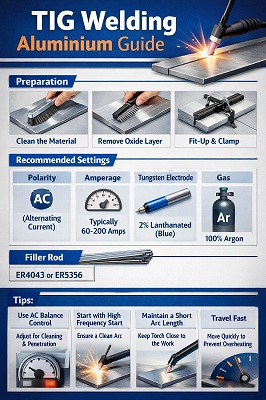
TIG welding aluminium is one of the most rewarding — and challenging — welding skills to learn. Aluminium behaves very differently from steel, requiring specific equipment, settings, and technique to achieve clean, strong welds.
If you’re struggling with issues like burn-through, contamination, or unstable arc, you’re not alone. This guide will walk you through everything you need to know about TIG welding aluminium in the UK.
🔧 Why Aluminium Is Difficult to Weld
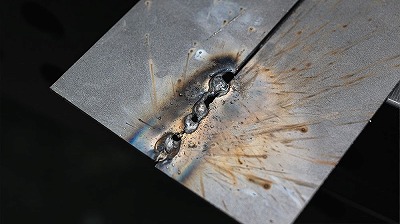
Aluminium has unique properties that make it harder to weld:
- Oxide layer melts at higher temperature than base metal
- High thermal conductivity (loses heat quickly)
- Soft and prone to distortion
- Easily contaminated
👉 This is why TIG welding aluminium requires AC current and precise control.
⚡ AC TIG Welding for Aluminium (Why It Matters)
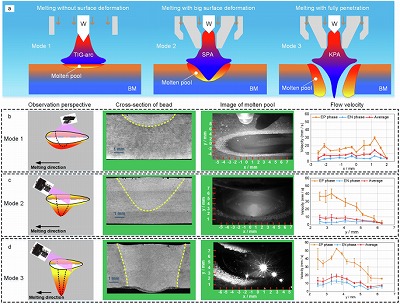
Unlike steel, aluminium must be welded using AC (Alternating Current).
Why AC is essential:
- Breaks oxide layer (cleaning action)
- Allows proper penetration
- Produces clean welds
👉 DC TIG ❌ will NOT work properly on aluminium.
🧰 Equipment You Need
🔧 Essential Tools:
- AC/DC TIG welder
- Pure argon gas
- Tungsten electrode (2.4mm recommended)
- Aluminium filler rod
- TIG torch with ceramic cup
🧼 Cleaning Tools:
- Stainless steel wire brush (dedicated for aluminium)
- Acetone
👉 Cleanliness is critical for aluminium welding.
⚙️ TIG Welding Settings for Aluminium
📊 Basic Settings Guide
| Thickness | Amperage | Tungsten | Gas Flow |
|---|---|---|---|
| 1mm | 40–70A | 1.6mm | 7–9 L/min |
| 2mm | 70–110A | 2.4mm | 8–10 L/min |
| 3mm | 100–140A | 2.4mm | 8–12 L/min |
| 4mm+ | 140–200A | 2.4–3.2mm | 10–12 L/min |
⚙️ Important Settings:
- Mode: AC
- Balance: 65–75% EN (cleaning vs penetration)
- Frequency: 80–120 Hz (if adjustable)
👉 Start with default settings and fine-tune as needed.
🧠 Step-by-Step: How to TIG Weld Aluminium
🔹 Step 1: Clean the Metal
- Remove oxide layer using stainless brush
- Clean with acetone
- Weld immediately after cleaning
👉 Aluminium oxidises quickly — timing matters.
🔹 Step 2: Set Up Your Machine
- Select AC TIG mode
- Set amperage based on thickness
- Adjust gas flow
🔹 Step 3: Start the Arc
- Use HF start if available
- Keep arc short (2–3mm)
🔹 Step 4: Control the Weld Pool
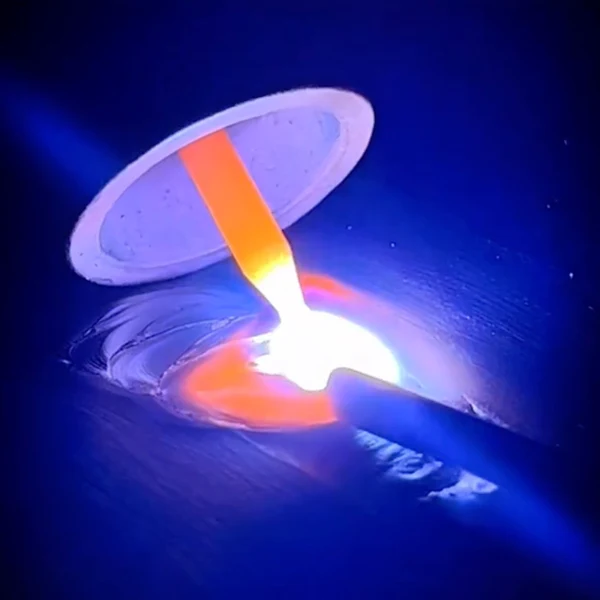
- Watch for shiny, fluid weld pool
- Avoid overheating
🔹 Step 5: Add Filler Rod
- Dip smoothly into weld pool
- Avoid touching tungsten
🔹 Step 6: Maintain Consistency
- Steady travel speed
- Consistent torch angle (~10–15°)
👉 Practice is key to mastering aluminium TIG.
⚠️ Common Problems & Fixes
❌ 1. Burn-Through
Cause:
Too much heat
Fix:
- Reduce amperage
- Move faster
❌ 2. Dirty / Black Weld
Cause:
Contamination or poor gas coverage
Fix:
- Clean metal thoroughly
- Check gas flow
❌ 3. Unstable Arc
Cause:
Wrong settings or tungsten issue
Fix:
- Re-grind tungsten
- Adjust AC balance
❌ 4. Poor Penetration
Cause:
Low amperage
Fix:
- Increase current
- Improve technique
⚖️ Aluminium vs Steel TIG Welding
| Feature | Aluminium | Steel |
|---|---|---|
| Current | AC | DC |
| Difficulty | High | Moderate |
| Cleaning | Critical | Important |
| Heat Control | Difficult | Easier |
| Arc Behaviour | Less stable | Stable |
👉 Aluminium requires more skill and precision.
🧠 Pro Tips for Welders
- Always pre-clean aluminium thoroughly
- Use dedicated tools (no cross-contamination)
- Practise on scrap metal first
- Use foot pedal for better heat control
- Work indoors to avoid wind affecting gas
🛡️ Safety Tips
- Use proper PPE (EN379 helmet)
- Ensure ventilation
- Handle hot aluminium carefully
- Secure gas cylinders properly
❓ FAQs
Can I TIG weld aluminium with DC?
No — AC is required for proper oxide removal.
Why is aluminium welding so difficult?
Because of oxide layer and heat conductivity.
What gas is used for aluminium TIG welding?
Pure argon.
What tungsten should I use?
2.4mm tungsten is ideal for most applications.
Final Thoughts
TIG welding aluminium may seem difficult at first, but with the right setup and practice, it becomes a highly rewarding skill.
👉 Focus on:
- Clean metal
- Correct AC settings
- Stable technique
- Consistent practice
Master these fundamentals, and you’ll be able to produce clean, professional aluminium welds.




Leave a Reply