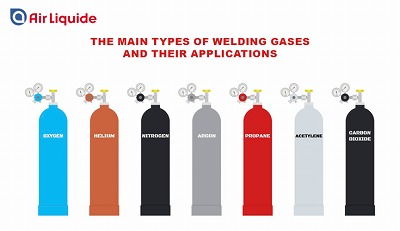
Choosing the right shielding gas is one of the most important steps in MIG welding. The gas you use directly affects weld quality, penetration, spatter levels, and overall finish. If you get it wrong, even the best welder settings won’t save your weld.
In this beginner-friendly UK guide, you’ll learn exactly what gas to use for MIG welding, when to use each type, and how to get the best results for your projects.
What Does Shielding Gas Do in MIG Welding?
In MIG welding, shielding gas protects the weld pool from contamination in the air, such as oxygen and nitrogen. Without proper shielding:
- Welds become weak
- Porosity (air bubbles) appears
- The weld bead looks rough and inconsistent
👉 Simply put: no gas = poor weld quality
The Most Common MIG Welding Gases
There are three main types of shielding gases used in MIG welding:
1. Argon (Ar)
Argon is an inert gas, meaning it doesn’t react with the weld.
Best for:
- Aluminium welding
- Non-ferrous metals
Advantages:
- Smooth, clean welds
- Stable arc
- Low spatter
Disadvantages:
- Shallow penetration on steel
- More expensive than CO₂
👉 In the UK, 100% Argon is the standard choice for welding aluminium.
2. Carbon Dioxide (CO₂)
CO₂ is a reactive gas and is often used for welding steel.
Best for:
- Mild steel
- Heavy fabrication
Advantages:
- Deep penetration
- Lower cost (very popular in the UK)
Disadvantages:
- More spatter
- Rougher weld appearance
👉 Ideal if you want strong welds at a lower cost.
3. Argon/CO₂ Mix (Most Popular in the UK)
This is the most commonly used shielding gas for MIG welding mild steel.
Typical mix:
- 75% Argon / 25% CO₂ (often called 75/25)
Best for:
- General MIG welding
- DIY and automotive work
Advantages:
- Cleaner welds than pure CO₂
- Less spatter
- Good penetration
Disadvantages:
- Slightly more expensive than CO₂
👉 This is the best all-round choice for beginners in the UK.
Which Gas Should You Use? (Quick Guide)
Here’s a simple breakdown:
- Mild steel (general use): Argon/CO₂ mix (75/25)
- Budget welding (steel): 100% CO₂
- Aluminium: 100% Argon
- Thin metal: Argon-rich mix (less heat, cleaner welds)
👉 If you’re unsure, start with a 75/25 Argon/CO₂ mix—it works for most projects.
Gas Flow Rate for MIG Welding (UK Standard)
Setting the correct gas flow is just as important as choosing the gas type.
Recommended flow rate:
- 10–15 litres per minute (L/min) for most indoor work
Adjust depending on conditions:
- Indoor welding → lower flow
- Outdoor welding → slightly higher flow (to counter wind)
💡 Too much gas can be just as bad as too little—it can cause turbulence and draw air into the weld.
Gas vs Gasless MIG Welding
You might also come across gasless MIG welding (flux-cored wire).
Gas MIG Welding:
- Cleaner welds
- Less spatter
- Better for indoor use
Gasless MIG:
- No gas required
- Works better outdoors
- More spatter and cleanup
👉 For best results and a professional finish, gas MIG is strongly recommended.
Common Mistakes When Choosing MIG Gas
❌ Using the Wrong Gas for Aluminium
- Mistake: Using CO₂ or mixed gas
- Fix: Always use 100% Argon
❌ Too Much Spatter
- Cause: Using pure CO₂
- Fix: Switch to Argon/CO₂ mix
❌ Porosity in Welds
- Cause: Low gas flow or leaks
- Fix: Check regulator and increase flow slightly
❌ Welding Outdoors Without Protection
- Cause: Wind blowing gas away
- Fix: Use a wind shield or switch to gasless wire
Pro Tips for Better MIG Welding Results
✔ Check for Gas Leaks
Always inspect:
- Hoses
- Connections
- Regulator
✔ Use the Right Nozzle Size
A proper nozzle ensures good gas coverage around the weld pool.
✔ Keep Your Torch Clean
Spatter buildup can block gas flow and affect weld quality.
✔ Match Gas with Material
Never use a “one gas fits all” mindset—match gas to your metal type.
Safety Tips When Using MIG Gas
- Store gas cylinders upright and secured
- Keep away from heat sources
- Always turn off gas after use
- Work in a well-ventilated area
Final Thoughts
Understanding what gas to use for MIG welding is essential for achieving strong, clean, and professional welds. While there are several options available, most beginners in the UK will get the best results with an Argon/CO₂ mix (75/25) for steel and 100% Argon for aluminium.
Choosing the right gas, setting the correct flow rate, and maintaining your equipment will dramatically improve your welding results.


Leave a Reply