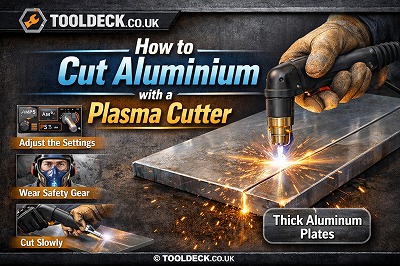
Cutting aluminium with a plasma cutter is fast and efficient—but it requires slightly different settings and technique compared to steel. With the right setup, you can achieve clean, smooth cuts with minimal dross.
This guide shows you exactly how to cut aluminium with a plasma cutter for the best results.
⚠️ What You Need Before Cutting Aluminium
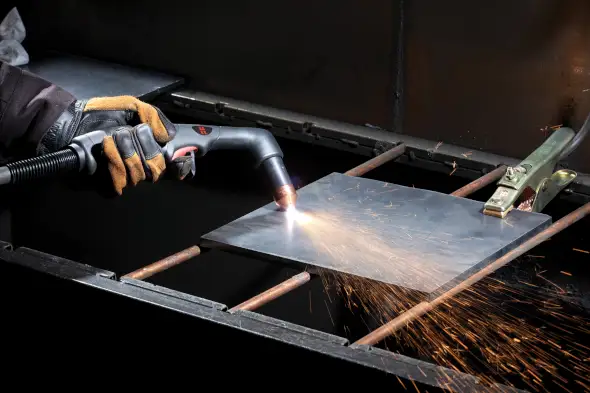
Essential equipment:
- Plasma cutter (suitable amperage)
- Air compressor (stable airflow)
- Ground clamp
- Fresh consumables
Safety gear:
- Welding helmet
- Gloves
- Protective clothing
👉 Aluminium reflects heat differently, so setup matters more.
Step-by-Step: How to Cut Aluminium with a Plasma Cutter
🔹 Step 1: Clean the Aluminium Surface Thoroughly
✅ What to Do:
- Remove:
- Oxide layer
- Dirt
- Oil/grease
- Use:
- Wire brush (stainless steel brush preferred)
- Solvent cleaner
🎯 Why It Matters:
- Aluminium oxide layer affects arc stability
- Clean surface improves cut quality
👉 Pro Tip: Always use a dedicated brush for aluminium to avoid contamination.
🔹 Step 2: Set Correct Amperage & Air Pressure
✅ Amperage Guide (Aluminium):
- 1–3 mm → 20–30A
- 4–6 mm → 30–50A
- 6–10 mm → 40–60A
- 10 mm+ → 60A+
✅ Air Pressure:
- Maintain 65–90 PSI (under load)
🎯 Why It Matters:
- Aluminium conducts heat quickly → needs stable arc
- Correct airflow removes molten metal efficiently
👉 Pro Tip: Aluminium often needs slightly higher airflow than steel.
🔹 Step 3: Secure the Workpiece & Attach Ground Clamp
✅ What to Do:
- Clamp aluminium firmly
- Attach ground clamp to:
- Clean, bare surface
🎯 Why It Matters:
- Prevents movement
- Ensures stable arc
👉 Pro Tip: Aluminium oxide can reduce conductivity—clean contact point well.
🔹 Step 4: Position the Torch Correctly
✅ Technique:
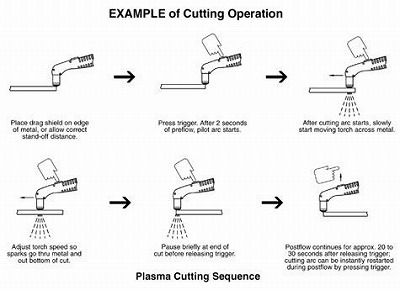
- Hold torch at 90° angle
- Maintain 2–3 mm standoff distance (slightly closer than steel)
🎯 Why It Matters:
- Keeps arc focused
- Prevents wide or rough cuts
👉 Pro Tip: Aluminium requires tighter arc control than steel.
🔹 Step 5: Use Proper Piercing Technique
✅ How to Pierce:
- Start at slight angle (10–15°)
- Once arc penetrates → straighten torch
- Start from edge if possible
🎯 Why It Matters:
- Prevents molten aluminium splash-back
- Protects consumables
👉 Pro Tip: Aluminium is more prone to blowback than steel.
🔹 Step 6: Maintain Correct Cutting Speed
✅ What to Watch:
- Sparks should:
- Flow downward and slightly backwards
🔍 Adjust Speed:
- Too fast → incomplete cut
- Too slow → excessive dross
🎯 Why It Matters:
- Aluminium melts quickly → speed must be controlled
👉 Pro Tip: Aluminium usually requires slightly faster movement than steel.
🔹 Step 7: Keep Movement Smooth & Controlled
✅ What to Do:
- Use steady hand
- Use guide rail for straight cuts
🎯 Why It Matters:
- Prevents uneven edges
- Improves precision
👉 Pro Tip: Aluminium shows imperfections more clearly than steel.
🔹 Step 8: Maintain Consistent Torch Height
✅ What to Do:
- Keep distance constant
- Avoid lifting torch
🎯 Why It Matters:
- Ensures consistent arc
- Reduces dross
👉 Pro Tip: Even small height changes affect aluminium cuts.
🔹 Step 9: Complete the Cut Cleanly
✅ What to Do:
- Continue motion until cut is complete
- Avoid stopping mid-cut
🎯 Why It Matters:
- Prevents rough edges
- Reduces slag
👉 Pro Tip: Smooth finish = less post-cleaning.
🔹 Step 10: Inspect & Clean the Cut
✅ After Cutting:
- Check:
- Edge smoothness
- Dross level
- Clean using:
- Wire brush
- Light grinding if needed
🎯 Why It Matters:
- Ensures professional finish
👉 Pro Tip: Aluminium dross is usually easier to remove than steel.
Pro Tips for Cutting Aluminium Cleanly
- Use slightly higher airflow
- Move faster than steel cutting
- Keep consumables fresh
- Maintain tight torch control
- Always clean material before cutting
❌ Common Mistakes to Avoid
❌ Cutting too slowly
✔ Increase speed
❌ Dirty aluminium surface
✔ Clean thoroughly
❌ Incorrect torch height
✔ Keep consistent
❓ FAQs
Can plasma cutters cut aluminium?
Yes — very effectively.
Is aluminium harder to cut than steel?
It requires more control, but cuts faster.
How do I reduce dross on aluminium?
Use correct speed and airflow.
Do I need special consumables?
Standard consumables work, but must be in good condition.
Final Thoughts
Learning how to cut aluminium with a plasma cutter is easy once you adjust your technique and settings. With proper setup, you can achieve clean, smooth, and precise cuts with minimal effort.



Leave a Reply