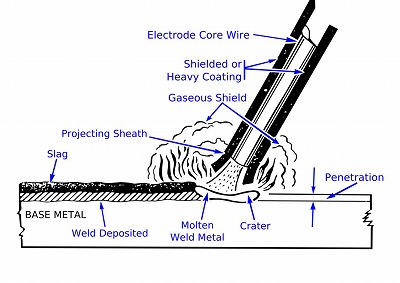
Stick welding, also known as MMA (Manual Metal Arc) welding, is one of the easiest and most affordable ways to start welding in the UK. Whether you’re repairing gates, working on DIY metal projects, or learning a new trade skill, stick welding is a great place to begin.
This beginner-friendly guide will walk you through everything you need to know — from equipment setup to welding techniques and safety tips.
🔧 What Is Stick Welding?
Stick welding uses an electric current to create an arc between a coated electrode (welding rod) and the metal surface. The heat melts both the rod and the base metal, forming a strong weld.
Why beginners choose stick welding:
- No shielding gas required
- Works well outdoors (perfect for UK weather)
- Simple equipment setup
- Effective on rusty or dirty metal
🧰 Essential Equipment You’ll Need
Before you start, make sure you have the right tools:
Basic setup:
- Stick welder (MMA inverter welder)
- Welding electrodes (rods)
- Earth clamp & electrode holder
- Welding helmet (auto-darkening recommended)
- Protective gloves and clothing
Recommended electrode types for beginners:
- E6013 → Easy to use, smooth arc, ideal for thin steel
- E7018 → Stronger welds, but slightly harder to control
👉 For UK beginners, E6013 rods are the best starting point.
⚙️ Step-by-Step: How to Stick Weld
1. Prepare Your Workspace
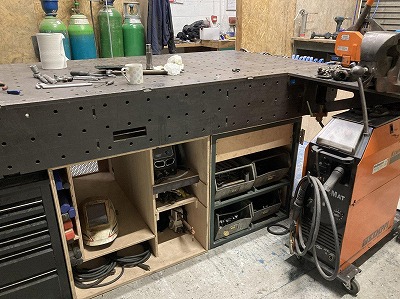
- Clean the metal (remove rust, paint, oil)
- Clamp your workpieces securely
- Ensure good ventilation (especially indoors)
2. Set the Correct Amperage
Choosing the right amperage is critical:
| Electrode Size | Amperage Range |
|---|---|
| 2.0mm | 40–80A |
| 2.5mm | 60–100A |
| 3.2mm | 90–130A |
👉 Start in the middle of the range and adjust based on arc stability.
3. Strike the Arc
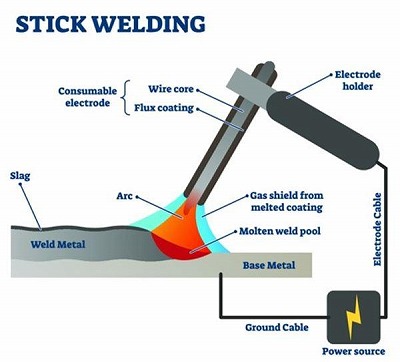
There are two common methods:
- Scratch method (like striking a match)
- Tap method (lightly tap and lift)
👉 Beginners usually find the scratch method easier.
4. Maintain the Right Arc Length
- Keep the electrode about 2–3mm from the metal surface
- Too far → unstable arc & spatter
- Too close → electrode sticks
5. Control Your Travel Speed
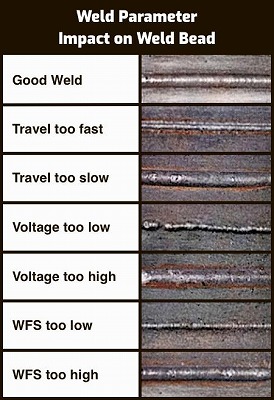
- Move too fast → thin, weak weld
- Move too slow → excess buildup
👉 Aim for a steady, consistent motion.
6. Use the Correct Angle
- Hold the electrode at 10–15° angle
- Drag technique (pulling the rod) works best for beginners
7. Chip the Slag
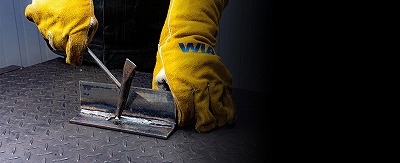
After welding:
- Let it cool slightly
- Use a chipping hammer to remove slag
- Clean with a wire brush
⚠️ Common Beginner Mistakes (And How to Fix Them)
❌ Electrode keeps sticking
✔ Increase amperage or improve arc striking technique
❌ Too much spatter
✔ Reduce arc length and adjust current
❌ Weak welds
✔ Slow down and ensure proper penetration
❌ Uneven weld bead
✔ Maintain steady hand movement and angle
🛡️ Safety Tips for UK Beginners
- Always wear a welding helmet (EN379 standard in UK)
- Use flame-resistant gloves and clothing
- Avoid welding in damp conditions
- Ensure proper grounding
🧠 Pro Tips to Improve Faster
- Practice on scrap steel before real projects
- Focus on consistency, not speed
- Watch the weld pool, not the arc
- Start with flat position welding
❓ FAQs
Is stick welding easy for beginners?
Yes — especially with modern inverter welders and beginner-friendly rods like E6013.
Can I stick weld at home in the UK?
Yes, as long as you have proper ventilation, safety gear, and a standard 230V power supply.
What thickness of metal can I weld?
- Thin steel (2–3mm) → use low amperage
- Thicker steel (5mm+) → increase amperage and use larger rods
🏁 Final Thoughts
Stick welding is one of the best ways to get started with welding in the UK. It’s affordable, versatile, and highly effective for a wide range of DIY and repair jobs.
By following the steps in this guide and practising regularly, you’ll quickly build the confidence and skill needed to produce strong, clean welds.




Leave a Reply